
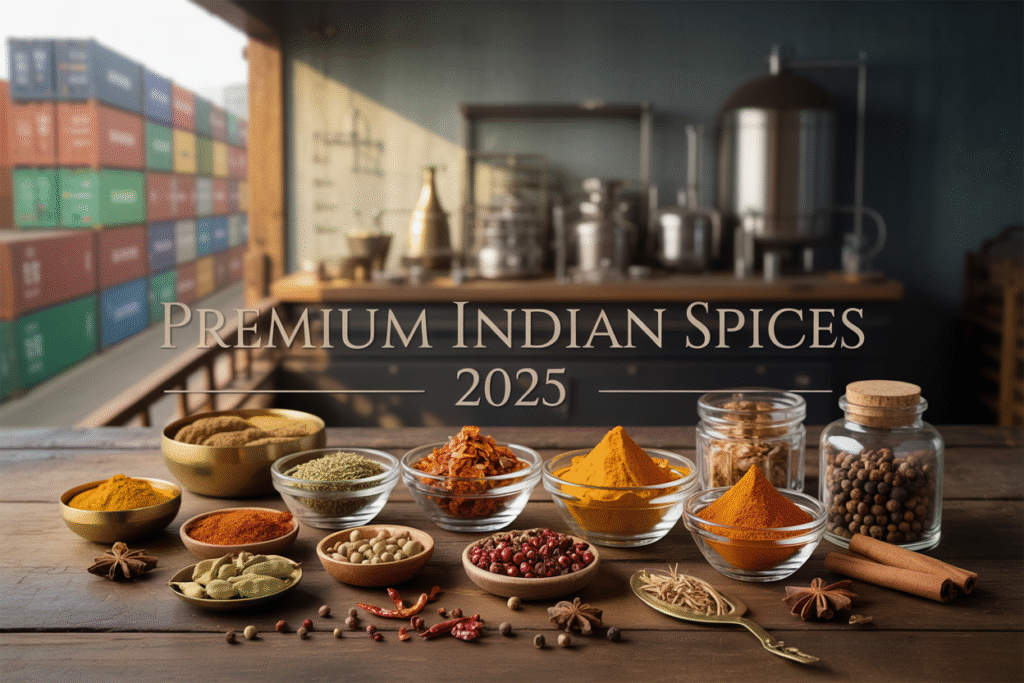
Why Global Buyers Are Shifting Toward Premium Indian Spices in 2025
Global food buyers are making a clear shift toward premium Indian spices in 2025, driven by rising quality standards and changing consumer preferences worldwide. This trend affects food manufacturers, restaurant chains, spice importers, and retail buyers who want to understand where the spice market is heading.
Who This Guide Is For:
Food industry professionals, procurement managers, and business owners looking to source high-quality spices need to know why Indian suppliers are capturing more market share and what this means for their sourcing strategies.
We’ll explore how quality standards and certifications are reshaping buyer decisions, examine the economic benefits that make premium Indian spices attractive despite higher upfront costs, and look at how reliable supply chains are giving Indian exporters a competitive edge in an uncertain global market.
Quality Standards Drive Market Demand for Indian Spices

Organic certification requirements boost premium spice appeal
Organic certification has become the gold standard for premium Indian spices, with buyers paying 15-40% premiums for certified products. Major certification bodies like USDA Organic, EU Organic, and India Organic are driving strict compliance standards that spice producers must meet. These certifications require detailed documentation of farming practices, soil health management, and pest control methods without synthetic chemicals.
The certification process involves rigorous third-party audits covering everything from seed selection to final packaging. Farmers must maintain three-year transition periods before achieving full organic status, creating significant barriers to entry that separate premium producers from conventional suppliers. This exclusivity adds substantial value to certified spices in global markets.
Organic spices command higher prices because they meet growing consumer demands for clean-label products. European and North American buyers specifically seek organic turmeric, black pepper, cardamom, and cumin for their health-conscious customer bases. The certification also opens doors to premium retail channels and specialty food manufacturers who require organic ingredients.
Advanced processing techniques ensure consistent flavor profiles
Modern Indian spice processors use controlled atmosphere grinding, cryogenic processing, and steam sterilization to maintain volatile oil content and flavor integrity. These techniques preserve the essential compounds responsible for spice potency while eliminating microbial contamination. Temperature-controlled grinding prevents heat damage that traditionally destroyed delicate flavor molecules.
Standardized processing protocols ensure batch-to-batch consistency that global food manufacturers require. Companies like MDH, Everest, and Eastern Condiments invest heavily in automated sorting systems that remove foreign matter and defective spices. Color sorting machines identify and eliminate damaged or discolored spices that could affect final product quality.
Advanced packaging technologies including modified atmosphere packaging and vacuum sealing extend shelf life while maintaining freshness. These innovations allow Indian spices to compete directly with established suppliers from other regions who previously had advantages in processing consistency.
Traceability systems guarantee authenticity and purity
Blockchain-based traceability systems now track premium Indian spices from farm to final consumer, providing complete supply chain transparency. QR codes on packaging allow buyers to verify spice origins, processing dates, and quality test results. This technology addresses long-standing concerns about spice adulteration and country-of-origin fraud.
Leading exporters implement GPS tracking for harvesting locations and maintain detailed farmer databases with cultivation records. Digital certificates replace paper documentation, reducing fraud risks and speeding up verification processes for international buyers. Real-time monitoring systems track storage conditions during transportation to ensure quality maintenance.
The traceability advantage is particularly valuable for high-value spices like saffron, cardamom, and vanilla where authentication is critical. European regulations requiring origin documentation have made traceability systems essential for market access, pushing Indian exporters to adopt these technologies ahead of competitors from other regions.
International quality compliance increases buyer confidence
Indian spice exporters now routinely achieve ISO 22000, HACCP, and BRC certifications that international buyers require. These certifications demonstrate systematic quality management approaches that reduce risks for global food manufacturers. Regular third-party audits verify compliance with international food safety standards.
Residue testing for pesticides, heavy metals, and aflatoxins has become standard practice, with many exporters exceeding EU and US maximum residue limits. Investment in modern testing laboratories allows real-time quality monitoring and rapid response to contamination issues. This proactive approach builds trust with buyers who previously viewed Indian spices as higher-risk ingredients.
Quality compliance also includes proper documentation systems, recall procedures, and supplier qualification programs that meet international standards. These systematic approaches demonstrate professionalism that matches or exceeds expectations set by established spice suppliers from traditional exporting countries.
Economic Advantages of Premium Indian Spice Sourcing

Direct farmer partnerships reduce supply chain costs
Building relationships directly with Indian spice farmers creates substantial cost savings for international buyers. When importers skip traditional middlemen and connect straight with agricultural cooperatives and individual growers, they eliminate multiple layers of markup that can inflate prices by 30-40%. These partnerships also give buyers better control over quality specifications from the ground up.
Farmer cooperatives in major spice-growing regions like Kerala, Karnataka, and Tamil Nadu now offer streamlined procurement processes. They handle aggregation, initial processing, and quality sorting at the source, reducing handling costs and minimizing product loss during transportation. Many cooperatives have invested in modern drying and storage facilities, ensuring consistent quality while keeping operational expenses low.
The digital revolution has made these direct connections easier than ever. Platforms and agricultural technology companies now bridge the gap between international buyers and Indian farmers, providing transparent pricing, quality certifications, and logistics support. This transparency helps buyers avoid the price volatility often associated with traditional spice trading networks.
Bulk purchasing power delivers competitive pricing
Volume purchasing from Indian spice suppliers unlocks significant economies of scale that smaller buyers simply can’t access. International buyers who commit to larger quantities—often measured in metric tons rather than kilograms—can negotiate prices that are 15-25% lower than spot market rates.
Indian spice exporters prefer working with bulk buyers because it reduces their marketing costs and provides predictable revenue streams. This mutual benefit creates win-win scenarios where exporters offer preferential pricing, extended payment terms, and priority access to premium-grade products during peak harvest seasons.
Contract farming arrangements have become particularly attractive for bulk buyers. These agreements guarantee specific quantities at predetermined prices, protecting both parties from market fluctuations. Major spice processors in India often reserve their highest-grade products for these contract partners, ensuring consistent quality and availability throughout the year.
Currency exchange rates favor international buyers
The rupee’s relative stability against major international currencies has created favorable purchasing conditions for global spice importers. Over the past two years, exchange rate movements have generally worked in favor of dollar, euro, and pound sterling buyers, effectively reducing the landed cost of Indian spices by 8-12%.
Indian exporters often quote prices in USD, which provides additional predictability for international buyers managing their procurement budgets. This pricing structure eliminates currency conversion risks and simplifies financial planning for companies importing regular spice shipments.
Forward contract options available through Indian banks and trading companies allow buyers to lock in favorable exchange rates months in advance. This hedging capability has become particularly valuable given global economic uncertainties, enabling importers to secure competitive pricing while protecting their profit margins from currency volatility.
Supply Chain Reliability Attracts Global Importers

Year-round availability ensures consistent inventory management
Global importers are gravitating toward Indian spice suppliers who can guarantee consistent product availability throughout the year. Unlike many other spice-producing regions that face seasonal limitations, India’s diverse agro-climatic zones enable continuous harvesting cycles across different states. When cardamom season ends in Kerala, turmeric harvesting begins in Andhra Pradesh, while cumin production peaks in Gujarat during different months.
This staggered production calendar allows importers to maintain steady inventory levels without worrying about seasonal stockouts. Major food manufacturers and restaurant chains require predictable supply schedules to meet their production commitments and customer demands. Indian suppliers have capitalized on this advantage by developing sophisticated inventory management systems that track harvest patterns across regions and coordinate with multiple farmer networks.
The reliability extends beyond just availability. Indian spice exporters now maintain buffer stocks in temperature-controlled warehouses, ensuring quality preservation during off-seasons. This approach has proven particularly valuable for premium spices where consistency in flavor profiles and color specifications matter significantly for brand reputation.
Improved logistics infrastructure reduces delivery delays
India’s logistics revolution has transformed spice export operations dramatically over the past few years. The development of dedicated spice processing zones, upgraded port facilities, and streamlined customs procedures have cut average delivery times by 30-40% compared to five years ago. Major ports like Mundra, JNPT, and Chennai now feature specialized commodity handling equipment designed specifically for spice exports.
The introduction of electronic documentation systems has eliminated much of the paperwork bottlenecks that previously caused delays. Exporters can now process shipping documents, quality certificates, and regulatory approvals digitally, reducing processing time from weeks to days. This efficiency gain translates directly into faster market response times for global buyers.
Cold chain infrastructure improvements have been particularly significant for premium spice segments. Temperature-controlled storage and transportation networks ensure that volatile oils and delicate flavor compounds remain intact during transit. International buyers no longer need to factor in quality degradation risks when calculating their procurement timelines.
Multiple sourcing regions minimize weather-related risks
Smart global importers have recognized that India’s geographic diversity provides natural risk mitigation against weather-related supply disruptions. While a drought in Rajasthan might affect cumin production, black pepper cultivation in Kerala remains unaffected. This regional diversification creates a natural hedge against climate variability that single-region suppliers cannot match.
Indian spice traders have become experts at managing these regional variations, often maintaining supplier relationships across multiple states for the same spice variety. When cyclones impact coastal growing regions, inland alternatives can quickly fill supply gaps. This multi-regional approach has proven especially valuable during recent extreme weather events that have disrupted agricultural production globally.
The sophistication of this risk management has evolved to include predictive weather monitoring and crop yield forecasting. Leading exporters now use satellite data and meteorological analysis to anticipate potential supply constraints and proactively adjust their sourcing strategies. This forward-thinking approach gives international buyers confidence in supply continuity even during challenging climate conditions.
Digital tracking systems provide real-time shipment updates
Modern Indian spice exporters have embraced digital transformation to provide unprecedented visibility into their supply chains. GPS-enabled tracking systems allow buyers to monitor shipments from processing facilities to destination ports in real-time. This transparency builds trust and enables better demand planning for international customers.
Blockchain technology is increasingly being adopted by premium spice suppliers to create immutable records of product journey from farm to final delivery. These digital ledgers provide complete traceability, showing exactly when and where spices were harvested, processed, tested, and shipped. Such detailed documentation has become crucial for buyers operating in highly regulated markets.
Mobile applications developed by leading Indian exporters now provide customers with push notifications about shipment status, quality test results, and estimated arrival times. This level of communication has revolutionized buyer-supplier relationships, moving them from traditional transactional exchanges to collaborative partnerships. International buyers can integrate these real-time updates directly into their own inventory management systems, creating seamless supply chain coordination.
The digital infrastructure also extends to quality monitoring, with IoT sensors tracking temperature, humidity, and other critical parameters during transportation. Any deviations from optimal storage conditions trigger immediate alerts, allowing for corrective action before product quality is compromised.
Health and Wellness Trends Boost Spice Consumption

Anti-inflammatory properties attract health-conscious consumers
Modern consumers are actively seeking natural ways to combat inflammation, and Indian spices have emerged as powerful allies in this health journey. Turmeric, with its active compound curcumin, leads the charge with scientifically-proven anti-inflammatory effects that rival some pharmaceutical options. Global buyers are increasingly drawn to this golden spice, driving demand from supplement manufacturers to functional food producers.
Beyond turmeric, other Indian spices offer compelling anti-inflammatory benefits. Ginger contains gingerols that reduce inflammatory markers, while black pepper’s piperine enhances the bioavailability of other anti-inflammatory compounds. Coriander seeds provide antioxidants that help reduce oxidative stress, and fenugreek offers compounds that support metabolic health. These diverse properties create multiple market opportunities for premium Indian spice suppliers.
The growing awareness of chronic inflammation’s role in diseases like arthritis, heart disease, and diabetes has created a massive market shift. Health-conscious consumers now scrutinize ingredient labels for natural anti-inflammatory compounds, making Indian spices essential components in everything from wellness shots to anti-inflammatory meal kits.
Functional food applications expand market opportunities
The functional food sector is experiencing explosive growth, and Indian spices are perfectly positioned to capture this expanding market. Food manufacturers are incorporating spices not just for flavor enhancement but for their proven health benefits, creating a new category of products that bridge nutrition and medicine.
Turmeric lattes, golden milk powders, and immunity-boosting spice blends have moved from niche health stores to mainstream supermarkets. Companies are developing innovative products like spiced protein powders, wellness teas, and even spice-infused chocolates that deliver therapeutic benefits alongside great taste.
The beverage industry has particularly embraced Indian spices, with ginger shots, turmeric elixirs, and adaptogenic chai blends commanding premium prices. These applications require high-quality, consistent spices that maintain their bioactive compounds through processing, creating opportunities for premium Indian suppliers who can guarantee potency and purity.
Natural alternatives replace artificial flavor enhancers
The clean eating movement has accelerated the shift away from artificial additives, positioning Indian spices as natural flavor enhancers that also deliver health benefits. Food manufacturers are reformulating products to replace synthetic compounds with spice-based alternatives that meet consumer demands for transparency and naturalness.
Indian spices offer complex flavor profiles that can replace multiple artificial ingredients. Garam masala provides warmth and depth that eliminates the need for artificial warming agents, while curry powders deliver umami richness without MSG. This versatility allows manufacturers to simplify ingredient lists while enhancing both flavor and nutritional value.
The cost-effectiveness of using spices versus artificial alternatives has improved significantly as demand has scaled. Premium Indian spice suppliers are working directly with manufacturers to develop custom spice blends that meet specific flavor and health requirements, creating long-term partnerships that benefit both parties.
Research-backed health benefits increase product credibility
Scientific research validating the health benefits of Indian spices has reached a tipping point, providing manufacturers with the credible evidence needed to make health claims. Peer-reviewed studies on turmeric’s anti-inflammatory properties, ginger’s digestive benefits, and cinnamon’s blood sugar regulation have given companies the confidence to invest heavily in spice-based products.
Clinical trials demonstrating measurable health outcomes have transformed spices from traditional remedies to evidence-based functional ingredients. This research backing allows companies to command premium prices for spice-based products while building consumer trust through transparent communication about benefits.
The regulatory landscape has also evolved to support health claims backed by solid research, enabling companies to market spice-based products with specific health positioning. This regulatory clarity has reduced market entry barriers and encouraged innovation in spice applications.
Clean label demands align with Indian spice offerings
Clean label trends perfectly align with what Indian spices naturally offer: single-ingredient products with no additives, preservatives, or artificial components. Consumers increasingly demand products they can understand and pronounce, making simple spice names like turmeric, ginger, and coriander highly appealing compared to complex chemical compounds.
Premium Indian spice suppliers are capitalizing on this trend by emphasizing their traditional processing methods that avoid chemical treatments or artificial enhancements. Organic certifications, non-GMO verification, and pesticide-free growing practices have become standard expectations rather than premium features.
The transparency that clean label demands require has pushed spice suppliers to improve their traceability systems, documenting everything from seed sourcing to final packaging. This enhanced transparency has actually strengthened relationships between buyers and suppliers, creating more stable, long-term partnerships based on trust and shared values.
Innovation in Processing and Packaging Creates Value
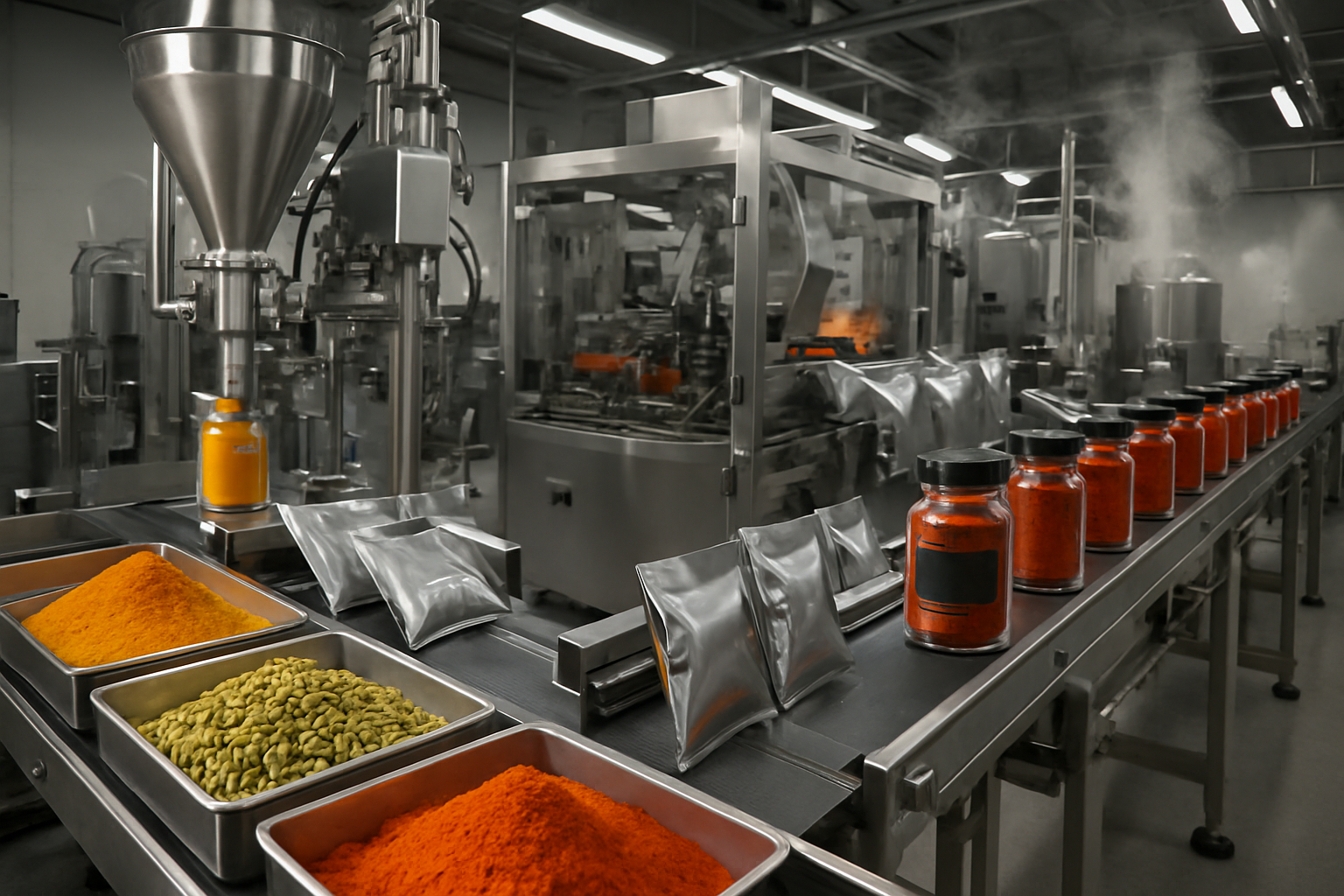
Steam Sterilization Preserves Nutritional Content
Modern Indian spice processors have embraced steam sterilization technology to eliminate harmful microorganisms while keeping the essential oils and active compounds intact. This gentle treatment method uses precise temperature and pressure controls, typically operating at 121°C for specific time intervals based on the spice type and moisture content.
The process works differently than traditional heat treatments that can destroy delicate flavor compounds. Steam sterilization penetrates the spice matrix without causing the harsh oxidation that degrades curcumin in turmeric or capsaicin in red chilies. Laboratory tests consistently show that steam-treated spices retain 85-95% of their original nutritional value, compared to just 60-70% with conventional heat processing.
Global buyers particularly value this technology because it meets international food safety standards without compromising the therapeutic properties that make Indian spices so sought after. The process eliminates pathogens like Salmonella and E. coli while preserving the antioxidant capacity that health-conscious consumers demand.
Modified Atmosphere Packaging Extends Shelf Life
Nitrogen flushing and controlled atmosphere packaging have revolutionized how premium Indian spices reach global markets. This technology replaces oxygen with nitrogen or carbon dioxide, creating an environment that prevents oxidation and rancidity during transport and storage.
The impact on shelf life is remarkable. Ground spices packaged with modified atmosphere technology maintain their color, aroma, and potency for 18-24 months, compared to 6-12 months with standard packaging. Whole spices can retain their quality for up to three years when properly packaged.
Importers appreciate the reduced waste and improved inventory management this technology enables. Instead of rushing to sell products before they lose their appeal, buyers can maintain consistent stock levels while offering customers spices that taste as vibrant as the day they were processed. The packaging also includes oxygen absorbers and moisture control sachets that create an optimal storage environment throughout the supply chain.
Grind-to-Order Services Maintain Peak Freshness
Forward-thinking Indian spice exporters now offer grind-to-order services that transform whole spices into powders just before shipment. This approach recognizes that whole spices maintain their essential oils and flavor compounds much longer than pre-ground alternatives.
The grinding process uses specialized equipment that minimizes heat generation, preventing the volatile compounds from evaporating during processing. Cryogenic grinding, which uses liquid nitrogen to keep temperatures low, produces exceptionally fine powders with maximum flavor retention.
Restaurant chains and specialty food manufacturers increasingly prefer this service because it guarantees the most potent product possible. A freshly ground batch of garam masala or curry powder delivers significantly more aroma and taste impact than products that have been sitting in ground form for months. The service also allows for custom grind sizes, from coarse restaurant blends to fine powders perfect for sauce applications.
Quality control testing shows that grind-to-order spices contain 30-40% more volatile oils compared to pre-ground inventory, translating directly into superior culinary performance that end consumers can taste and smell.
Sustainable Sourcing Practices Appeal to Conscious Buyers

Fair trade certifications support ethical purchasing decisions
Global buyers now prioritize spice suppliers who hold recognized fair trade certifications, viewing them as essential partners in building responsible supply chains. These certifications guarantee that farmers receive fair compensation for their crops while working under safe conditions. Major retailers like Whole Foods and Costco have mandated fair trade requirements for their private label spice lines, creating substantial market opportunities for certified Indian suppliers.
The financial impact extends beyond premium pricing. Fair trade certified spice cooperatives in Kerala and Karnataka report 15-20% higher annual incomes compared to conventional farming operations. This economic stability allows farming communities to invest in better cultivation practices and infrastructure improvements. International buyers benefit from consistent quality and reliable delivery schedules that come with well-supported farming networks.
Environmental conservation programs attract eco-conscious brands
Leading spice exporters have launched comprehensive environmental programs that resonate with sustainability-focused brands worldwide. Companies like Sunrise Spices and Eastern Condiments have established reforestation initiatives, planting over 50,000 trees annually across their sourcing regions. These efforts directly address deforestation concerns while creating natural barriers against climate change impacts.
Carbon footprint reduction remains a priority for global buyers evaluating suppliers. Indian spice companies now provide detailed carbon impact reports, showing measurable reductions through solar-powered processing facilities and electric vehicle fleets for local transportation. Brands like Patagonia Provisions and Thrive Market specifically seek suppliers who can demonstrate year-over-year improvements in environmental metrics.
Regenerative agriculture practices improve soil health
Modern Indian spice farms are adopting regenerative techniques that rebuild soil fertility while maintaining high yields. These methods include crop rotation with nitrogen-fixing legumes, cover cropping with mustard and gram plants, and integrated pest management using beneficial insects. Farms in Rajasthan and Tamil Nadu report 25-30% improvement in soil organic matter within three growing seasons.
The practice involves strategic livestock integration, where goats and cattle graze between spice crops, naturally fertilizing the soil while controlling weeds. This approach eliminates synthetic fertilizer dependency, reducing input costs by 40-50% over five years. International buyers appreciate the long-term sustainability and consistent flavor profiles that healthy soils produce in spices like turmeric, coriander, and cumin.
Water conservation initiatives reduce environmental impact
Water scarcity concerns drive innovative conservation efforts across India’s spice-growing regions. Drip irrigation systems, installed with government subsidies, reduce water consumption by 60% compared to traditional flood irrigation. Spice processing facilities have implemented closed-loop water recycling systems, treating and reusing water for multiple cleaning and processing stages.
Rainwater harvesting structures capture monsoon precipitation for dry season use, supporting year-round production stability. Processing plants in Andhra Pradesh and Gujarat have achieved zero liquid discharge status, appealing to environmentally conscious buyers who face increasing pressure from consumers and regulatory bodies to source from water-responsible suppliers.
The spice industry is experiencing a major shift as global buyers recognize that Indian spices deliver exceptional value across every metric that matters. From meeting stringent quality standards to offering competitive pricing, Indian suppliers have built robust supply chains that international importers can count on. The growing focus on health and wellness has created massive demand for authentic spices, while innovative processing and packaging techniques ensure products reach markets in perfect condition.
Sustainability has become the deciding factor for many buyers, and Indian producers who embrace eco-friendly farming and ethical sourcing practices are winning the biggest contracts. Companies looking to stay competitive should partner with certified Indian spice suppliers who can deliver premium quality while meeting environmental standards. The future belongs to buyers who recognize that premium Indian spices aren’t just a purchasing decision – they’re a strategic advantage in today’s health-conscious, quality-driven marketplace.