

Long-Term Partnerships with Indian Spice Exporters:

Finding the right Indian spice exporters can make or break your business success. This guide helps international buyers, food manufacturers, restaurants, and spice retailers navigate the complex world of spice sourcing from India and build lasting relationships with quality spice suppliers.
The Indian spice market offers incredible opportunities, but choosing the wrong partners can lead to quality issues, delivery delays, and broken promises. Smart buyers know that building partnerships with spice suppliers requires more than just comparing prices. You need reliable spice exporters who understand your business needs and can deliver consistently over time.
We’ll walk you through the essential criteria for selecting trustworthy spice export partners, including how to spot red flags and evaluate supplier capabilities. You’ll also discover proven communication strategies that help build trust with Indian suppliers and learn how to negotiate spice export contracts that protect both parties while setting the foundation for long-term spice partnerships.
By the end of this guide, you’ll have a clear roadmap for effective spice supply chain management and the tools needed to create partnerships that grow stronger with time.
Understanding the Indian Spice Export Market Landscape
Identifying Major Spice Growing Regions and Their Specialties
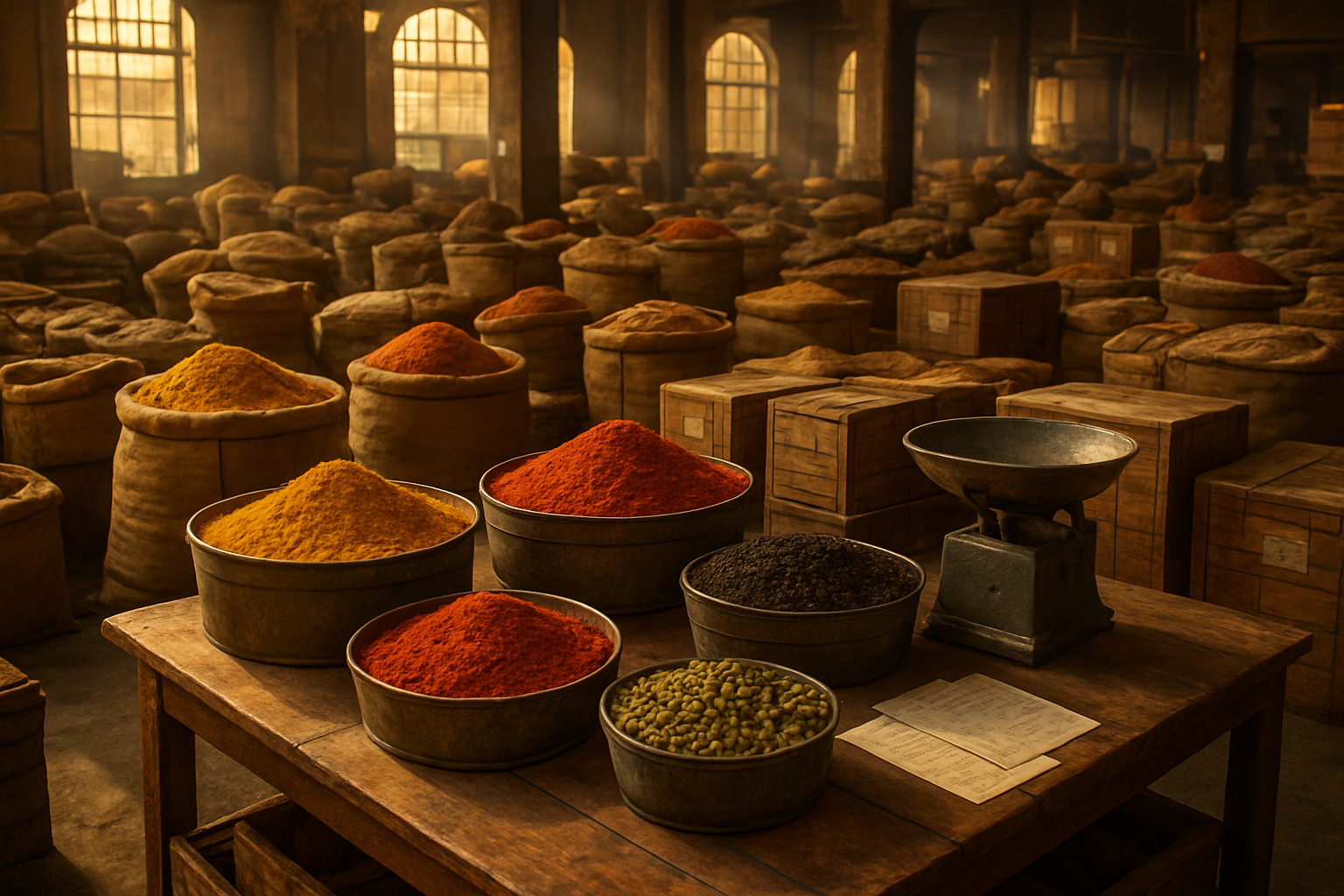
India’s spice production spans across diverse geographical regions, each producing unique varieties that reflect local climate, soil conditions, and agricultural traditions. Kerala stands out as the “spice capital” of India, producing premium black pepper, cardamom, cinnamon, and cloves. The Western Ghats’ humid climate creates ideal conditions for these aromatic spices, making Kerala-based Indian spice exporters particularly valuable partners for high-quality procurement.
Karnataka dominates the coffee and spice belt, specializing in cardamom, black pepper, and vanilla. The state’s elevated terrain and consistent rainfall patterns contribute to superior spice quality. Tamil Nadu excels in turmeric production, particularly in the Erode district, which accounts for nearly 60% of India’s turmeric output. The region’s rich alluvial soil produces turmeric with high curcumin content, making it highly sought after in international markets.
Rajasthan leads in producing red chili varieties, fenugreek, and coriander seeds. The arid climate concentrates flavors and creates robust spices with extended shelf life. Gujarat specializes in cumin, fennel, and mustard seeds, while Andhra Pradesh and Telangana are renowned for their fiery red chilies and turmeric varieties.
Understanding these regional specializations helps buyers identify the most reliable spice exporters for specific products. Each region has developed expertise over generations, creating a natural advantage in quality and consistency that smart buyers can leverage.
Recognizing Quality Certification Standards and Compliance Requirements
The Indian spice market operates under stringent quality frameworks that international buyers must understand to build successful partnerships. The Spices Board of India serves as the primary regulatory authority, establishing quality standards and promoting exports through various certification programs.
AGMARK certification represents the gold standard for spice quality in India, guaranteeing that products meet specific grade requirements for moisture content, volatile oil levels, and physical characteristics. Spices carrying this certification undergo rigorous testing at accredited laboratories, providing buyers with quality assurance from quality spice suppliers.
ISO certifications play a vital role in international trade. ISO 22000 for food safety management and ISO 9001 for quality management systems are essential credentials for serious exporters. HACCP (Hazard Analysis Critical Control Points) certification ensures food safety protocols throughout the supply chain, making it a non-negotiable requirement for many international markets.
Organic certifications like NPOP (National Programme for Organic Production) and international equivalents such as USDA Organic or EU Organic open premium market segments. These certifications require extensive documentation and regular audits, indicating a supplier’s commitment to sustainable practices.
Additional certifications include Fair Trade for ethical sourcing, Kosher and Halal for religious compliance, and BRC (British Retail Consortium) for UK market access. Spice export partners possessing multiple certifications demonstrate operational sophistication and market readiness, making them preferred choices for long-term partnerships.
Understanding Seasonal Production Cycles and Market Fluctuations
Spice production in India follows distinct seasonal patterns that directly impact availability, pricing, and quality. Understanding these cycles is essential for effective spice supply chain management and building resilient partnerships with Indian spice exporters.
The major harvest seasons are:
| Season | Months | Key Spices | Market Impact |
|---|---|---|---|
| Rabi | Nov-Apr | Coriander, Cumin, Fenugreek | Peak quality, stable prices |
| Kharif | Jun-Oct | Turmeric, Red Chili, Ginger | Weather-dependent yields |
| Perennial | Year-round | Black Pepper, Cardamom, Cloves | Continuous but variable quality |
Monsoon patterns significantly influence spice quality and availability. Excessive rainfall can damage crops and reduce oil content in spices, while insufficient monsoons lead to reduced yields and price spikes. Smart buyers monitor weather forecasts and maintain flexible sourcing strategies to navigate these fluctuations.
Market prices typically peak during pre-harvest periods when inventory levels are lowest. Post-harvest flooding often creates temporary price dips, presenting procurement opportunities for buyers with adequate storage facilities. Festival seasons like Diwali create demand surges that can strain supply chains and inflate prices.
Exchange rate fluctuations between the Indian Rupee and international currencies add another layer of complexity. A weakening rupee makes Indian spices more competitive internationally, while a strengthening rupee can pressure margins and pricing structures.
Successful buyers develop relationships with multiple exporters across different regions to mitigate seasonal risks and ensure consistent supply throughout the year.
Essential Criteria for Selecting Reliable Spice Export Partners

Evaluating Export Experience and Track Record
When looking for reliable spice exporters in India, diving deep into their export history tells the real story. Start by examining how long they’ve been in the spice export business – companies with 5-10+ years of experience have weathered market fluctuations and learned to navigate international trade complexities.
Ask for references from their existing international clients, particularly those in your region. A reputable Indian spice exporter will readily provide contact information for long-standing partners. Look for exporters who have consistently shipped to markets similar to yours, as they’ll understand specific regulatory requirements and consumer preferences.
Review their export documentation track record. Companies with clean shipping records, minimal delays, and proper certifications demonstrate operational excellence. Check if they’ve maintained relationships with the same buyers for multiple years – this loyalty speaks volumes about their reliability and service quality.
Assessing Production Capacity and Supply Chain Capabilities
Production capacity directly impacts your ability to scale orders and meet growing demand. Visit potential partners’ facilities or request detailed capacity reports showing their monthly processing volumes across different spice varieties.
Evaluate their sourcing network strength. The best spice export partners maintain direct relationships with farmers across multiple growing regions. This diversification protects against regional crop failures and ensures steady supply throughout the year. Ask about their procurement strategies during peak and off-seasons.
| Capacity Factor | What to Evaluate |
|---|---|
| Processing Volume | Monthly tons processed by spice type |
| Storage Facilities | Temperature-controlled warehouses |
| Packaging Lines | Automated vs manual packaging capabilities |
| Transportation Fleet | Own vehicles vs third-party logistics |
Supply chain transparency matters significantly. Partners should provide clear timelines from order placement to shipment, including processing, quality testing, and documentation preparation phases.
Verifying Financial Stability and Business Credibility
Financial stability determines whether your spice sourcing partner can fulfill large orders and invest in quality improvements. Request audited financial statements from the past 2-3 years. Look for steady revenue growth and healthy profit margins that indicate business sustainability.
Check their credit ratings with local financial institutions and trade organizations. Many reliable spice exporters are members of the Spices Board of India, Federation of Indian Export Organisations, or regional spice associations. These memberships often require financial vetting and adherence to export standards.
Banking relationships reveal financial health. Established exporters maintain credit lines with major banks and can provide letters of credit when needed. This banking support becomes crucial during large transactions or when you need extended payment terms.
Insurance coverage protects both parties. Verify they carry appropriate export insurance, product liability coverage, and facility insurance. This protection safeguards your investment and demonstrates their professional approach to risk management.
Checking Infrastructure and Processing Facilities
Modern processing facilities directly impact product quality and consistency. Look for exporters with temperature-controlled storage, moisture monitoring systems, and pest control measures. These facilities preserve spice potency and prevent contamination during storage.
Quality testing laboratories on-site or partnerships with certified testing facilities ensure consistent product specifications. The best Indian spice exporters invest in equipment for testing moisture content, volatile oil levels, microbial counts, and pesticide residues.
Processing equipment age and maintenance schedules affect output quality. Newer grinding, sieving, and packaging machinery produces more uniform products with better shelf life. Ask about their equipment upgrade schedules and maintenance protocols.
Certification compliance demonstrates infrastructure quality. Look for facilities with ISO 22000, HACCP, organic certifications, or other relevant quality standards. These certifications require regular audits and continuous improvement, indicating serious commitment to quality infrastructure.
Building Trust Through Effective Communication Strategies

Establishing Clear Communication Channels and Protocols
Setting up proper communication channels with your Indian spice exporters makes all the difference between smooth operations and constant headaches. Start by identifying the primary contact person at your supplier’s end – someone who has decision-making authority and can address issues quickly. Many successful partnerships fail when buyers get stuck dealing with junior staff who can’t resolve problems.
Choose communication tools that work for both parties. WhatsApp Business is incredibly popular among Indian spice exporters and offers real-time messaging with document sharing capabilities. Email remains essential for formal communications and maintaining paper trails, while video calls through platforms like Zoom or Skype help build personal connections.
Create a communication protocol that outlines:
- Response time expectations for different types of inquiries
- Escalation procedures for urgent issues
- Preferred channels for different communication types
- Regular meeting schedules and formats
Document everything in writing. Indian business culture values written confirmation, so follow up important phone conversations with email summaries. This practice protects both parties and prevents misunderstandings down the line.
Overcoming Language and Cultural Barriers
English proficiency varies significantly among Indian spice exporters, even though many have excellent business English skills. Don’t assume language barriers when communication issues arise – they might stem from different business practices or cultural nuances instead.
Indian business culture emphasizes relationship-building and respect for hierarchy. Take time for small talk before diving into business matters. Ask about their families, local festivals, or business conditions. This approach isn’t just polite – it builds the personal connections that Indian business culture values.
Be aware of cultural differences in communication styles:
- Indians often give positive responses initially, even when challenges exist
- Direct confrontation is typically avoided in favor of diplomatic approaches
- Time concepts may differ, with relationships often prioritized over strict schedules
- Decision-making processes might involve multiple stakeholders
When explaining technical requirements or quality standards, use simple, clear language and provide visual references when possible. Photos, samples, and detailed specifications prevent misunderstandings better than lengthy written descriptions.
Setting Realistic Expectations and Timelines
Unrealistic expectations kill partnerships faster than any other factor when working with Indian spice exporters. Spice sourcing involves agricultural products subject to seasonal variations, weather conditions, and processing limitations that buyers must understand and accommodate.
Be upfront about your volume requirements, quality standards, and delivery schedules from the beginning. Indian suppliers appreciate honesty and can better serve clients who clearly communicate their needs. Don’t inflate your potential order volumes to get better prices – this strategy backfires when suppliers invest resources based on false expectations.
Seasonal factors significantly impact spice availability and pricing:
- Harvest seasons vary by spice type and growing region
- Monsoon timing affects crop quality and processing schedules
- Festival seasons impact labor availability and shipping schedules
- Export documentation processes may experience delays during peak seasons
Build buffer time into your planning. A good rule of thumb is adding 15-20% to quoted delivery times for initial orders while relationships are still developing. As trust builds and processes improve, timelines typically become more predictable.
Creating Transparent Feedback Mechanisms
Honest feedback strengthens partnerships with Indian spice exporters when delivered constructively. Many international buyers avoid giving negative feedback to maintain relationships, but this approach prevents suppliers from improving and ultimately weakens the partnership.
Implement a structured feedback system that covers:
- Product quality assessments with specific metrics
- Packaging and shipping performance evaluations
- Communication effectiveness ratings
- Overall satisfaction scores
Use positive reinforcement alongside constructive criticism. When your Indian spice export partners excel in certain areas, acknowledge their efforts. This balanced approach encourages continuous improvement while maintaining good relationships.
Create quality checkpoints throughout the supply process rather than waiting until final delivery to provide feedback. Early intervention prevents larger problems and shows your commitment to partnership success.
Maintaining Regular Check-ins and Updates
Consistent communication keeps partnerships with Indian spice exporters strong and prevents small issues from becoming major problems. Schedule regular check-ins beyond just placing orders and receiving shipments.
Monthly partnership reviews work well for established relationships, while newer partnerships benefit from weekly or bi-weekly contact. These sessions should cover:
- Market conditions and price trends
- Upcoming seasonal factors affecting supply
- New product opportunities or innovations
- Partnership satisfaction from both sides
Don’t limit communication to problem-solving. Share positive developments in your business, market insights, or industry trends that might benefit your suppliers. This information exchange builds mutual value and strengthens long-term relationships.
Keep detailed communication logs that track important discussions, agreements, and follow-up items. Many partnerships suffer when key personnel change and institutional knowledge disappears. Good documentation ensures continuity and prevents relationship disruptions.
Negotiating Mutually Beneficial Contract Terms

Structuring Fair Pricing Models and Payment Terms
Successful negotiations with Indian spice exporters start with establishing transparent pricing structures that work for both parties. Consider volume-based pricing tiers that reward larger orders while giving your supplier predictable revenue streams. Many experienced buyers negotiate annual contracts with quarterly price reviews to account for seasonal fluctuations in spice markets.
Payment terms require careful balance between your cash flow needs and your supplier’s working capital requirements. Standard terms often include 30% advance payment, 40% against shipping documents, and 30% within 30 days of delivery. However, building trust over time can lead to more flexible arrangements.
Common Pricing Models:
- Fixed pricing for 6-12 months with escalation clauses
- Market-linked pricing based on commodity exchanges
- Hybrid models combining fixed base prices with variable components
Letter of credit arrangements provide security for both parties, especially during the initial partnership phase. As relationships mature, many buyers transition to telegraphic transfers or even open account terms with established spice export partners.
Defining Quality Specifications and Inspection Procedures
Quality specifications form the backbone of any successful spice export contract. Work closely with your Indian suppliers to establish detailed parameters including moisture content, volatile oil levels, microbial counts, and physical characteristics like color and size uniformity.
Create comprehensive quality manuals that include visual references, laboratory test methods, and acceptable tolerance ranges. Many buyers require third-party inspection certificates from internationally recognized agencies like SGS or Intertek before shipment approval.
Essential Quality Parameters:
| Parameter | Typical Range | Testing Method |
|---|---|---|
| Moisture Content | 8-12% | Oven drying |
| Foreign Matter | <2% | Visual sorting |
| Volatile Oil | Varies by spice | Steam distillation |
| Salmonella | Absent/25g | Microbiological |
Establish clear rejection and replacement procedures. Most contracts include provisions for re-processing or replacing non-conforming batches at the supplier’s expense. Regular facility audits help maintain consistent quality standards across your supply chain.
Establishing Delivery Schedules and Logistics Arrangements
Delivery scheduling requires understanding India’s harvest cycles and processing timelines. Most spices have specific harvest seasons, affecting availability and pricing throughout the year. Build flexibility into your contracts to accommodate these natural variations while ensuring steady supply for your operations.
Logistics arrangements should clearly define responsibilities from factory gate to your warehouse. Most Indian spice exporters work on FOB (Free on Board) or CFR (Cost and Freight) terms, with buyers handling final delivery arrangements.
Key Logistics Considerations:
- Container stuffing and sealing procedures
- Documentation requirements for customs clearance
- Insurance coverage and claims procedures
- Port handling and storage protocols
Consider establishing buffer inventory levels to manage seasonal availability gaps. Many successful partnerships include shared warehousing arrangements where suppliers maintain safety stock on your behalf.
Including Risk Mitigation Clauses and Contingency Plans
Risk mitigation becomes especially important when dealing with agricultural products subject to weather variations and regulatory changes. Force majeure clauses should cover natural disasters, government policy changes, and transportation disruptions that commonly affect spice supply chains.
Currency fluctuation protection helps both parties manage exchange rate risks. Many contracts include currency hedging mechanisms or price adjustment formulas tied to rupee-dollar exchange rates.
Essential Risk Mitigation Elements:
- Alternative sourcing arrangements with backup suppliers
- Quality guarantee periods and warranty terms
- Penalty clauses for delivery delays or quality failures
- Insurance requirements for product liability and transportation
Build contingency plans for common scenarios like port strikes, monsoon delays, or sudden regulatory changes. Successful long-term partnerships often include joint problem-solving approaches where both parties share the burden of unexpected challenges.
Regular contract reviews allow both parties to adjust terms based on changing market conditions and operational experiences. Many buyers schedule semi-annual partnership meetings to discuss performance, address concerns, and plan for future requirements.
Ensuring Consistent Quality and Supply Chain Management
Implementing Regular Quality Audits and Testing Protocols
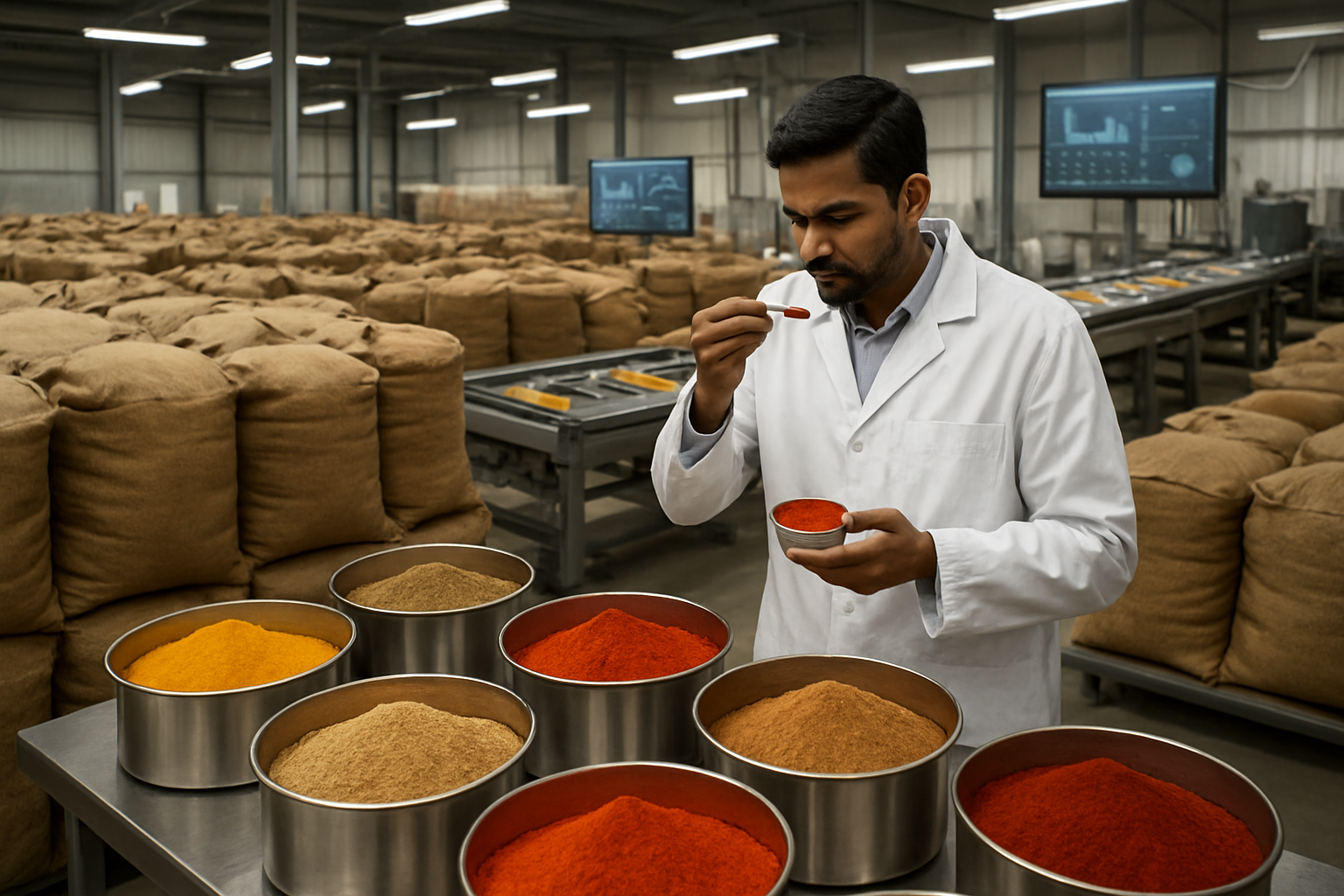
Regular quality audits form the backbone of successful partnerships with Indian spice exporters. Smart buyers establish monthly or quarterly audit schedules that cover everything from raw material sourcing to final packaging processes. These audits should examine moisture content levels, color consistency, particle size distribution, and microbiological safety parameters.
Testing protocols need to be standardized and documented clearly. Work with your spice export partners to create detailed testing checklists that include visual inspections, laboratory analysis for pesticide residues, heavy metal contamination, and aflatoxin levels. Many reliable spice exporters already maintain in-house testing facilities, but independent third-party verification adds an extra layer of confidence.
Documentation plays a crucial role in maintaining quality standards. Require your partners to provide certificates of analysis (COA) for each shipment, complete with batch numbers, testing dates, and results. This creates a paper trail that helps identify quality trends and potential issues before they become major problems.
Consider implementing a supplier scorecard system that tracks quality performance over time. This data-driven approach helps you recognize top-performing Indian spice exporters and provides concrete feedback for improvement areas. Regular quality meetings with your suppliers create opportunities to discuss audit findings and collaborate on quality enhancement initiatives.
Developing Backup Supplier Networks for Risk Management
Diversification protects your spice supply chain management from unexpected disruptions. Building relationships with multiple Indian spice exporters across different regions reduces your vulnerability to weather-related crop failures, political instability, or transportation strikes that could affect a single supplier.
Create a tiered supplier strategy where you maintain primary, secondary, and emergency backup suppliers for each spice category. Your primary suppliers handle 60-70% of your volume, while secondary suppliers take 20-30%, and emergency suppliers remain on standby for crisis situations. This approach ensures continuous supply while maintaining competitive pricing through healthy supplier competition.
Geographic diversification within India proves especially valuable. Sourcing turmeric from both Tamil Nadu and Andhra Pradesh, or cardamom from Kerala and Karnataka, spreads risk across different growing regions with varying weather patterns and harvest cycles. Map out the growing regions for each spice and identify suppliers in at least two different areas.
Regular communication with backup suppliers keeps these relationships warm and ready for activation. Share forecasts, conduct periodic quality assessments, and maintain small order volumes to keep backup suppliers engaged. This investment in relationship maintenance pays dividends when supply disruptions occur.
Monitoring Compliance with International Food Safety Standards
International food safety compliance requires constant vigilance and proactive monitoring. Your spice export partners must understand and implement standards like HACCP, BRC, SQF, or organic certifications depending on your market requirements. Regular verification of these certifications prevents costly rejections at customs or in your receiving facilities.
Establish clear compliance requirements upfront and include them in your contracts with Indian spice exporters. Specify which standards apply, certification renewal timelines, and documentation requirements. Many experienced spice suppliers maintain multiple certifications, but newer partners may need guidance and support to achieve compliance.
Conduct surprise audits beyond scheduled assessments to verify ongoing compliance. These unannounced visits provide realistic snapshots of daily operations and help identify potential compliance gaps before they become violations. Work with local audit firms in India who understand both international standards and local operating conditions.
Technology solutions can streamline compliance monitoring. Digital platforms that track certification status, audit schedules, and compliance documentation create transparency between you and your suppliers. Real-time dashboards show compliance status across your entire supplier network, making it easier to spot potential issues and take corrective action quickly.
Regular training sessions with your suppliers on evolving food safety requirements strengthen compliance culture. International standards change regularly, and keeping your partners informed demonstrates your commitment to long-term partnerships while protecting both parties from compliance risks.
Maintaining Long-Term Partnership Success

Providing Constructive Feedback and Performance Reviews
Regular feedback sessions create the foundation for continuous improvement with your Indian spice export partners. Schedule quarterly reviews to discuss order fulfillment rates, product quality metrics, and delivery timelines. Share specific data points about packaging standards, moisture content levels, and any customer complaints or compliments received. Your spice exporters appreciate transparency about performance because it helps them understand market expectations and adjust their processes accordingly.
Document feedback in writing and follow up on action items from previous reviews. When quality issues arise, work collaboratively to identify root causes rather than assigning blame. Many reliable spice exporters have implemented quality management systems specifically based on buyer feedback, leading to stronger partnerships and improved product consistency.
Create standardized evaluation forms covering key performance indicators like on-time delivery, product specifications adherence, communication responsiveness, and documentation accuracy. This systematic approach helps both parties track progress over time and identify areas for improvement.
Exploring Opportunities for Business Growth and Expansion
Successful partnerships with Indian spice exporters naturally evolve into growth opportunities. Discuss expanding product lines beyond your current spice sourcing arrangements. Your trusted supplier might offer access to organic certifications, premium grade selections, or regional specialties that could differentiate your products in the market.
Consider seasonal product extensions or value-added processing services your spice export partners might provide. Some exporters have invested in grinding, blending, or custom packaging facilities that could streamline your supply chain operations. Joint product development initiatives, such as creating signature spice blends or private label offerings, can strengthen the business relationship while opening new revenue streams.
Explore geographical expansion possibilities where your Indian spice market expertise could support entry into new territories. Your established spice suppliers often have insights into emerging markets and can facilitate connections with distributors or provide market intelligence that benefits both parties.
Offering Support During Market Challenges and Uncertainties
Market volatility affects the entire spice industry, from weather-related crop fluctuations to currency exchange variations. Stand by your long-term spice partnerships during challenging periods by maintaining consistent order volumes when possible and communicating any necessary adjustments well in advance.
Share market intelligence and consumer trends with your spice export partners to help them make informed decisions about production planning and inventory management. Your market insights become valuable when exporters face uncertain demand patterns or need to adjust their export strategies.
During supply chain disruptions, work together to find alternative solutions rather than immediately switching suppliers. Your established relationships with quality spice suppliers become most valuable during crisis situations when new partnerships would require time to develop and verify reliability.
Consider offering advance payments or extended payment terms during cash flow challenges, especially for smaller exporters who have proven their commitment to your partnership. This support often translates into priority treatment and enhanced service levels once market conditions stabilize.
Celebrating Milestones and Strengthening Relationship Bonds
Acknowledge partnership anniversaries, successful product launches, or achievement of quality certifications with your Indian spice exporters. Recognition strengthens professional relationships and demonstrates your commitment to long-term collaboration rather than transactional interactions.
Visit your suppliers’ facilities periodically to understand their operations firsthand and meet the teams handling your orders. These face-to-face interactions build personal connections that enhance business communications and problem-solving capabilities. Many buyers discover operational improvements or new product opportunities during these visits.
Share success stories where your spice export partners contributed to your business achievements. When their products receive positive customer feedback or help you win new accounts, communicate this success back to them. This positive reinforcement motivates continued excellence and innovation in their service delivery.
Participate in industry trade shows together or introduce your reliable spice exporters to other potential buyers in your network when appropriate. These gestures demonstrate trust and can lead to mutual business benefits while strengthening your partnership foundation.

The Indian spice export market offers incredible opportunities for buyers willing to invest time in finding the right partners. Success comes down to doing your homework upfront – researching potential exporters thoroughly, establishing clear communication channels, and setting up contracts that work for everyone involved. Quality consistency and reliable supply chains aren’t just nice-to-haves; they’re the foundation of any partnership that’s going to last.
Building these relationships takes patience, but the payoff is worth it. Start by focusing on transparency and open communication with potential partners. Don’t rush into agreements – take time to visit facilities, understand their processes, and build genuine trust. Remember that the best partnerships are the ones where both sides win, so approach negotiations with a collaborative mindset rather than trying to squeeze every last penny out of the deal.